
Back in the day, the only way people used to travel to Eurocamps was via car. I remember packing up the boot until you couldn’t see out of any windows, driving for what seemed like forever, then getting on a boat. Our parents always panicked about driving on the left (don’t worry, it’s really not that hard).
In recent years, there seems to be more and more people travelling by aeroplane and train too. I recently saw a family who’d booked interrail passes for the month to explore Eurocamps.
How you get there depends entirely on your budget, your family, where you want to go and what’s convenient for you. I’ve put together a guide to Eurocamp parcs near an airport for those wanting to travel via public transport.
Driving to Eurocamp: routes and ferry crossings
I genuinely believe driving is still the best way to enjoy a Eurocamp holiday in full.
Why driving to Eurocamp is a great option
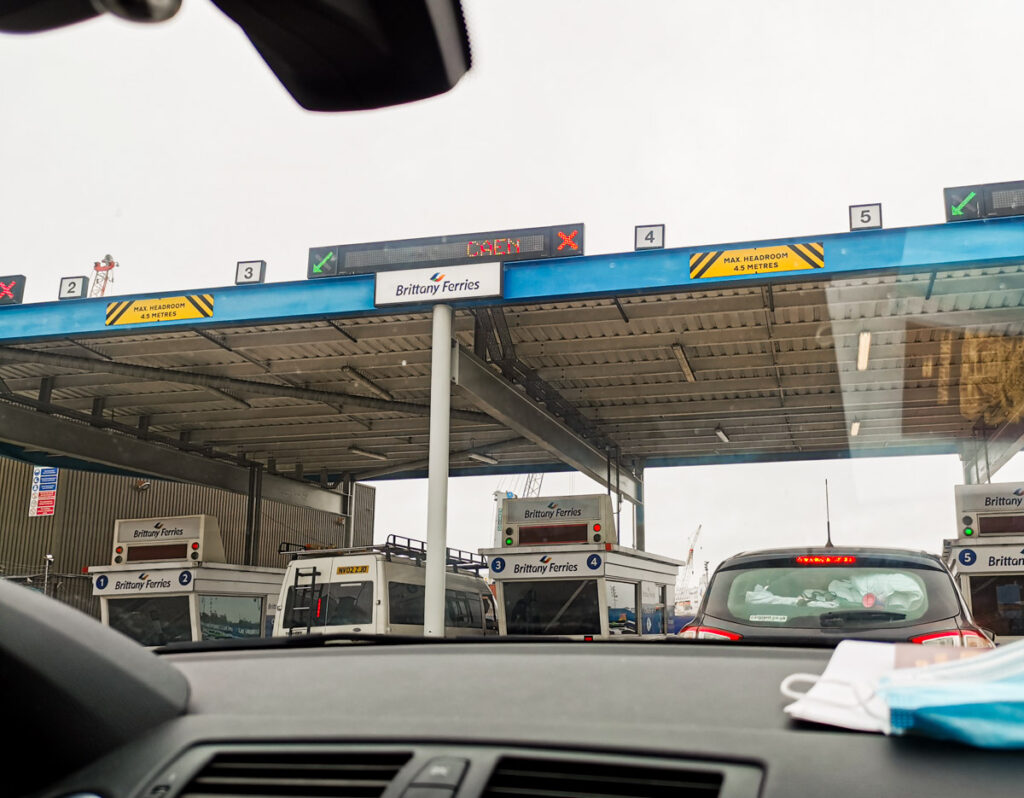
Driving to your Eurocamp holiday is a classic choice and gives you freedom, flexibility and convenience, which makes it a great option for families, groups and pet owners. Here’s why bringing your own car can make a real difference to your trip.
More packing space, less stress
Without Ryanair baggage restrictions and price hikes you’re able to pack absolutely everything you need (minus the kitchen sink) without worrying about limits. We always pack our bikes, scooters, trailers, kitchen goods and more, which would be near impossible when travelling by plane. Eurocamp offer baby essentials, but they don’t provide cot mattresses, so we like to pack our own baby mattress in the car too, along with bulky pushchairs.
Flexibility to explore at your own pace
When you’re not relying on public transport you realise just how free you are to explore everything around you. Even when somewhere is reachable by bus or train, it’s nicer to decide when you want to go rather than waiting for an hourly service. I worked a season at La Baume in Fréjus, and while there’s a bus stop outside, I wouldn’t really go there without a car. One of the most beautiful sights in the whole of France, the Gorges du Verdon, is just over an hour’s drive away, and you HAVE to drive to get there.

Cost saving for large families and groups
Flight tickets may seem good value until you start adding extra people and extra luggage. That £50 Ryanair flight to Beziers seems great at first. Then add on the £80 return, the 3 extra suitcases, 4 children and car hire or transfers. Suddenly you’re looking at hundreds of pounds that could be saved by travelling in your own car. Plus you can pack your own food and drinks to save money at your destination, and there’s no expensive airport Wetherspoons.
Check the flight prices here
You can take your pets
Your holidays aren’t just for humans. Eurocamp now has over 280 dog-friendly parcs, so you no longer need to leave them at the kennels or with expensive pet sitters. You’ll have the car for pet food and essentials, and the whole family can enjoy the trip together. Although they won’t be allowed in the pools.
A comfortable and enjoyable journey
You can stop when you like, take a loo break when you need one and even stop for sightseeing. Many service stations have great toilet facilities, children’s play areas and electric car charging points. You get to control the music, the car’s temperature and your own comfort. All of this without airport security queues, lugging heavy bags around or waiting hours for a delayed flight.
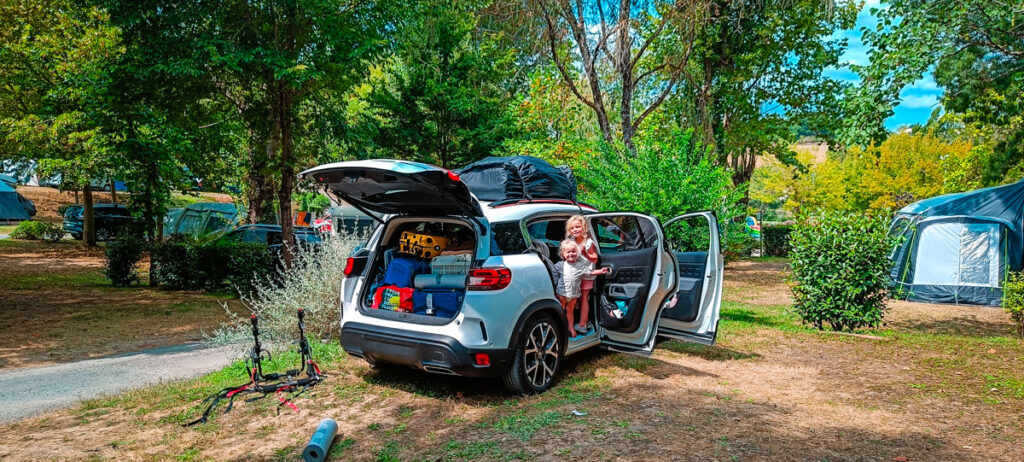
Ready? Here are the best ferry routes and driving tips to make your Eurocamp journey smooth and hassle-free.
Best ferry crossings from the UK to France, Spain and the Netherlands
These are the main crossings we use and recommend, with rough travel times so you can plan your journey.
- France: Portsmouth → Caen (around 6 to 8 hours) £££, Newhaven → Dieppe (around 4 hours) ££. Dover → Calais (less than 2 hours) £
- Spain: Portsmouth → Santander (around 24 hours) £££.
- The Netherlands: Harwich → Hook of Holland ££ (around 7 hours).

France
When driving from the UK to France or back, we tend to use Brittany Ferries. They’re more expensive than P&O, but after seeing the chaos at Dover and Calais most years, I feel safer and more comfortable that the Brittany Ferries routes tend to run with fewer issues.
That said, DFDS is also a good route and we’ve often used the Newhaven to Dieppe crossing.
I advise booking a cabin if you have small children, it’s a nice contained space for calming down and sleeping.
If you’re travelling to the Southern Atlantic coast of France, it may be worth booking one of the Brittany Ferries routes to northern Spain instead, as these usually work out closer to the campsites.
It’s also worth booking your crossing as part of your Eurocamp booking, as Eurocamp can often get customers better rates.
- Portsmouth to Caen: around 6 hours.
- Plymouth to Roscoff: around 6 hours.
- Portsmouth to St Malo: around 8 hours.
- Newhaven to Dieppe: around 4 hours.
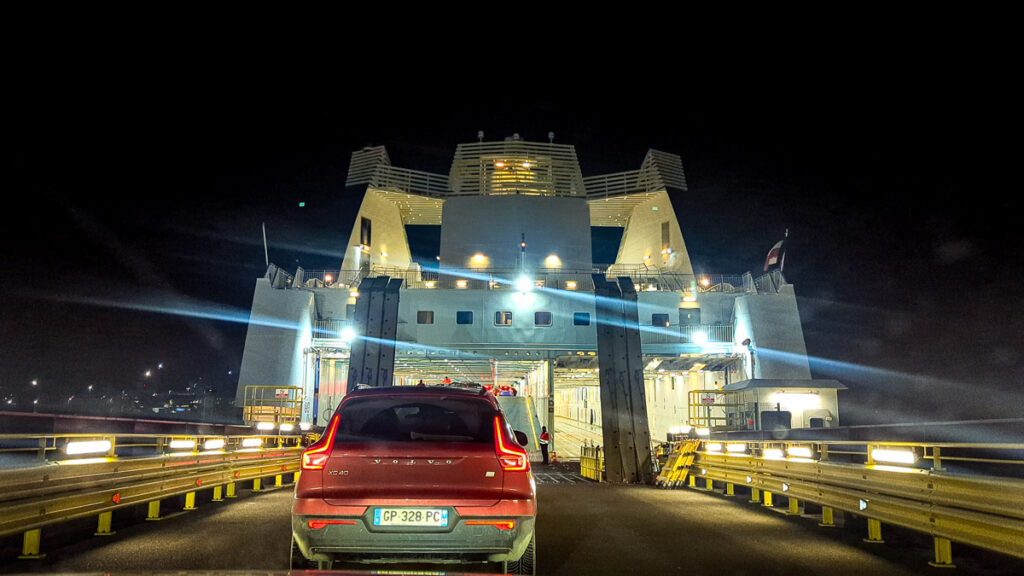
Spain
When driving to Spain from the UK you have a choice: a long ferry direct to Spain, or the more adventurous option of a scenic route through France.
Brittany Ferries run routes from Portsmouth and Plymouth to Santander or Bilbao in northern Spain. They’re a relaxing way to do it, but these crossings can be long and more expensive than the ones to France.
- Portsmouth to Santander: around 24 hours.
- Plymouth to Santander: around 20 hours.
- Portsmouth to Bilbao: around 24 hours.
The Netherlands
DFDS run routes from Newcastle to Amsterdam, while Stena Line cross from Harwich to Hook of Holland. Both let you bring your car and enjoy a more relaxed ferry crossing.
- Newcastle to Amsterdam (IJmuiden): around 16 hours 45 minutes.
- Harwich to Hook of Holland: around 7 hours.
Italy
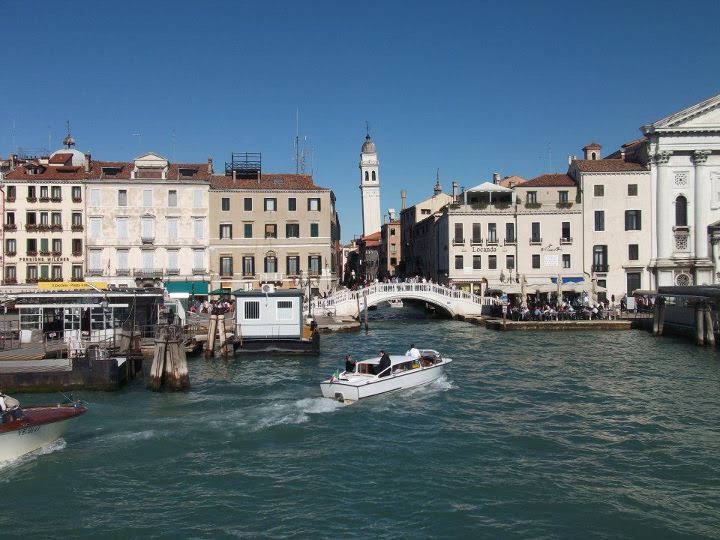
Driving to Italy from the UK is a long but rewarding journey through France and either Switzerland or Germany, depending on your route. You can take a ferry to France (as above) and continue through the French countryside and the Alps, or route through France, Switzerland or Austria to reach Italy.
Using the Eurotunnel Le Shuttle for a quick trip
The Eurotunnel Le Shuttle lets you drive your car onto a train and cross under the Channel to France in around 35 minutes. I can’t really advise on this one as we’ve never used it ourselves, but let me know in our Facebook group if you have and what you thought.
Driving in Europe: essential tips by country
When driving abroad, it’s important to be prepared. Remember you’ll be driving on the right. Check your car insurance covers driving in the EU too (a standard UK policy gives you the legal minimum cover automatically, but check with your insurer for full cover). Don’t forget essentials like a high-visibility vest, a warning triangle and headlight beam converters, and take your UK driving licence and V5C logbook with you. Make sure your phone or sat nav is fully charged and bring a backup paper map just in case.
If you’re driving into a French city, check whether it has a low emissions zone (a ZFE) and order a Crit’Air sticker in good time, only the official certificat-air.gouv.fr site issues genuine ones. The French autoroute speed limit is 130 km/h, dropping to 110 km/h in rain, so it’s worth knowing before you set off.
FAQ
Do I need an international driving permit to drive in France?
No, not for a standard UK photocard driving licence. You don’t need an international driving permit to drive in the EU with a UK licence. You might need one, though, if you only hold a paper licence or one issued in Gibraltar, Guernsey, Jersey or the Isle of Man.
Can I take my dog on the ferry to France?
Yes, both Brittany Ferries and DFDS offer pet-friendly cabins and onboard kennels, and most Eurocamp parcs accept dogs too, with over 280 dog-friendly parcs to choose from. Just check your pet’s travel documents are in order before you go.
Do I need a Crit’Air sticker to drive in France?
Only if you’re driving into one of France’s low emissions zones, mostly found in larger cities. It’s a legal requirement there, and it’s worth ordering one from the official certificat-air.gouv.fr site a few weeks before you travel.
What’s the speed limit on French motorways?
130 km/h in good conditions, dropping to 110 km/h in the rain. Rural roads are generally 80 km/h and towns are 50 km/h, so it’s worth keeping an eye on the signs as they change often.
Is the Eurotunnel faster than the ferry?
Yes, the crossing itself only takes around 35 minutes, compared to several hours on a ferry. We’ve always used the ferry ourselves so can’t compare the full door to door experience, but it’s worth considering if you want to minimise time at sea.
More of our Eurocamp guides
This page is part of our Eurocamp holiday guide, which covers everything from who Eurocamp are to the best parcs in each country.